Win the War for Talent: Pay, Training, & Tech in 2026
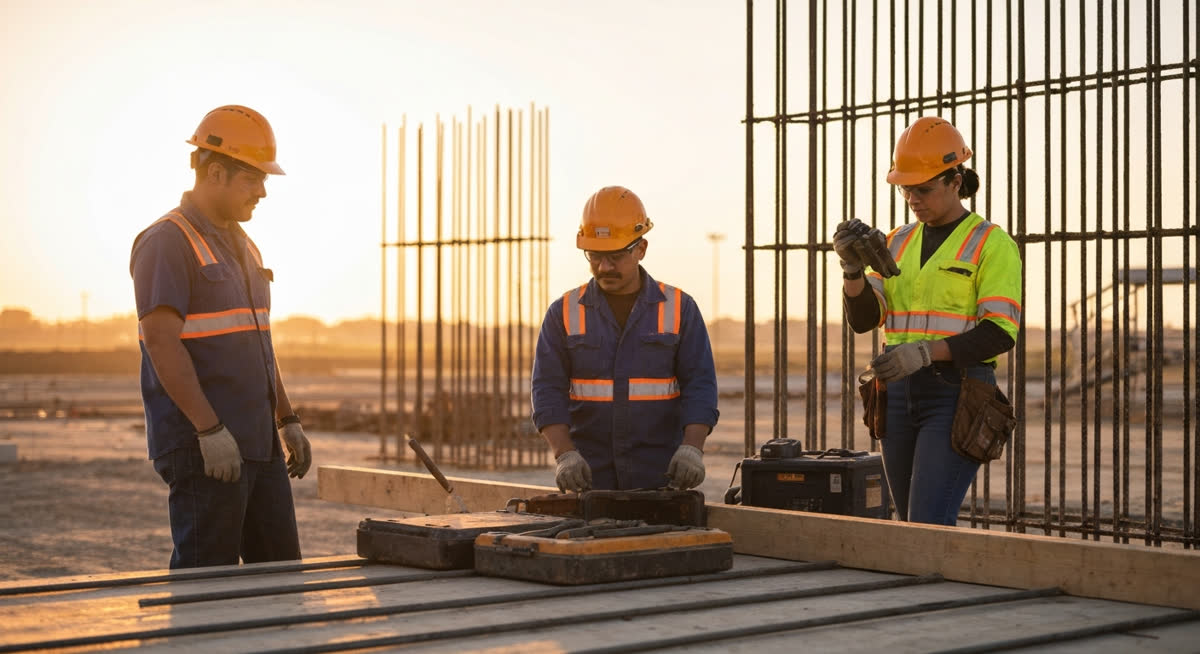
Listen up, contractors. The chatter about a skilled trades labor shortage isn't just noise anymore. In 2026, it's a full-blown operational reality. For small shops like yours, finding and keeping good technicians is tougher than ever, and it's directly impacting your bottom line. We're talking project delays, increased costs, and missed opportunities. But here's the kicker: this challenge also presents a massive opportunity for the shops willing to adapt. This isn't about throwing money at the problem; it's about smart strategies for pay, serious investment in training, and leveraging the right technology.
The numbers don't lie. The demand for skilled trades professionals—HVAC, plumbing, and electrical technicians—is accelerating faster than new workers are entering the field. If you want to not just survive but thrive, you need a clear, actionable plan. Let's dig in.
What's the Real Deal with the Skilled Trades Labor Shortage in 2026?
The skilled trades shortage isn't a future problem; it's here now, and it's worsening. The Associated General Contractors of America (AGC) and the National Center for Construction Education and Research (NCCER) reported in their 2025 Workforce Survey that 92% of construction firms are struggling to find qualified workers. Almost half of those firms experienced project delays due to worker shortages.
Specifically, the Bureau of Labor Statistics (BLS) projects strong growth across our key trades through 2034:
- HVAC Technicians: Employment is projected to grow 8% from 2024 to 2034, which is faster than the average for all occupations. This translates to about 40,100 job openings per year. The HVAC industry alone is projected to reach $165 billion in the U.S. in 2026.
- Plumbers: The U.S. is facing a projected shortage of roughly 550,000 plumbers by 2026. There are approximately 49,800 job openings for plumbers each year, a trend expected to continue for at least the next decade. Employment in the Plumbers in the US sector grew 3.3% on average over the five years between 2021 and 2026.
- Electricians: Employment is projected to grow 9% from 2024 to 2034, leading to approximately 81,000 job openings annually. Nearly 30% of union electricians are nearing retirement age, and around 10,000 electricians leave the field each year, while only about 7,000 new workers enter, compounding the gap. Demand is particularly high due to infrastructure upgrades, renewable energy systems, and smart technologies.
The takeaway? You're competing for a shrinking pool of experienced talent, and the pool isn't refilling fast enough. This isn't just a big-company problem; it hits small shops hardest because you often lack the deep pockets for aggressive recruitment campaigns. The average time-to-fill for critical skilled trades roles has increased by 60-71% since 2021.
Show Them the Money: Crafting Competitive Pay Plans for Technicians
Let's be blunt: pay matters. When talent is scarce, a competitive compensation package is your first line of defense. But "competitive" doesn't just mean a high hourly rate; it means a smart pay plan that motivates, rewards, and retains.
What are Technicians Earning in 2026?
- HVAC Technicians: The national median wage for HVAC technicians is around $59,810 per year, or $28.75 per hour, as of May 2024 data, with top 10% earners making over $91,020. Some sources show a median around $57,300 per year ($27.55/hr) in early 2026. Experience is a major factor, with senior and commercial techs often earning $70,000-$80,000 or more. NATE-certified technicians can earn an estimated $15,000 more per year.
- Plumbers: Most plumbers in the U.S. in 2026 earn between $63,000 and $70,000 annually, with a typical hourly wage of $30 to $33 for mid-career technicians. Highly experienced or specialized plumbers can exceed $100,000 annually. Indeed reports an average of $30.51 per hour.
- Electricians: The national median for electricians is about $61,590 per year ($29.61/hr) as of May 2026 BLS data. Apprentices might earn around $41,900, journeymen $66,700, and master electricians $86,000+. Top earners can make over $104,180 annually.
Beyond the Hourly: Hybrid Pay Structures
While hourly pay offers stability, it often lacks the incentive for peak performance. Pure commission can drive productivity but also lead to pay volatility and potential for unnecessary upsells. Many successful shops are moving to a hybrid model: a solid base hourly wage combined with performance-based bonuses.
- Base + Bonus: This is often recommended as the most effective. Offer 60% of the technician's target pay as a base hourly wage, and the remaining 40% as a bonus tied to clear metrics. These metrics could include job completion rates, customer satisfaction scores, average ticket size, or hitting specific sales goals for service agreements or system replacements.
- Flat Rate: This pays technicians a fixed rate for the amount of labor hours billed, regardless of how long it actually takes them. It rewards efficiency but needs careful monitoring to maintain quality.
- Commission on Labor/Sales: A percentage of total sales can motivate technicians to upsell maintenance services or higher-value repairs, but ensure it's balanced with quality incentives.
The key is transparency. Technicians need to clearly understand how their pay is calculated and how their performance directly impacts their earnings. This builds trust and encourages engagement.
Grow Your Own: The Power of Apprenticeship Programs for Small Shops
You can't just wait for experienced techs to walk through your door. The pipeline is thin. The solution? Build your own. Apprenticeship programs are not just for big corporations; they are a vital strategy for small shops to cultivate loyal, highly skilled workers tailored to your business needs.
Why Apprenticeships Work
- Custom-Trained Workforce: You train apprentices in your specific methods, safety protocols, and company culture from day one. This reduces the learning curve and ensures they fit seamlessly into your operations.
- Increased Loyalty: Investing in an individual's career path fosters deep loyalty. Apprentices often feel a strong connection to the company that gave them their start and invested in their future, reducing turnover.
- Reduced Recruitment Costs: While there's an upfront investment in training, it's often far less than the ongoing costs of recruiting and onboarding experienced (and often poached) talent.
- Address the Shortage Directly: By developing new talent, you're actively combating the industry-wide labor shortage, creating a sustainable workforce for your future.
- Government Support: The U.S. Department of Labor's ApprenticeshipUSA initiative provides resources and guidance for businesses looking to start registered apprenticeship programs. (www.apprenticeship.gov)
How to Start an Apprenticeship Program
- Define the Role: Clearly outline the skills, knowledge, and certifications (like NCCER credentials for construction trades, or EPA 608 for HVAC) an apprentice will gain.
- Partner Up: You don't have to go it alone. Many community colleges, vocational schools, and industry associations (like local chapters of the Associated General Contractors of America) can help you set up and run a program. They often provide classroom instruction, leaving you to focus on the on-the-job training.
- Find a Mentor: Assign experienced technicians to guide and teach your apprentices. This also provides a leadership opportunity for your veteran staff, boosting their morale and engagement.
- Structure the Learning: Create a clear progression from entry-level tasks to more complex work, with regular assessments and pay increases as skills are acquired.
- Leverage Resources: Organizations like NCCER offer standardized curricula and certifications recognized across the industry, making it easier to structure your training and provide portable credentials.
Beyond the Paycheck: What Else Keeps Good Techs Around?
Competitive pay and growth opportunities through apprenticeships are critical, but they're not the only factors. Good technicians want to work for a company that values them, respects their time, and provides the tools to do their job effectively. This is where modern operations and the right technology come into play.
- Empowerment Through Tools: Clunky paperwork, messy dispatch boards, and manual invoicing frustrate technicians and waste their valuable time. When your techs have the right tools, like a streamlined field-service management (FSM) platform, it shows you respect their work.
- Efficient Operations: A good FSM platform simplifies job scheduling, dispatch, estimates, and invoicing. This means less time wasted in the office, clearer communication about job details, and faster payments. For your technicians, it means less administrative hassle and more time doing what they do best – solving problems for customers. This directly improves job satisfaction and reduces burnout.
- Clear Communication: With digital tools, job details, customer history, and equipment information are at your technicians' fingertips. No more guessing games or frantic calls back to the office. This efficiency translates to better service delivery and happier customers.
- Professionalism Reflects Well: When your shop runs smoothly with digital proposals and easy payment options, it reflects positively on your entire operation, including your technicians. They're proud to be part of a professional, modern business.
Think about how a free FSM platform like MyHomeService360 can become part of your technician retention strategy. By simplifying jobs, dispatch, estimates, invoices, and payments, it takes the burden off your team. Plus, with a cross-trade lead network, you're creating more opportunities for them, without upfront costs to your business – because MyHomeService360 only makes money when you win work. It’s an investment in efficiency that pays dividends in technician morale and loyalty.
Conclusion
The skilled trades labor shortage in 2026 isn't going anywhere. For small shops, winning the war for talent means a multi-pronged approach: competitive and transparent pay plans, a proactive investment in homegrown talent through apprenticeships, and empowering your existing technicians with efficient tools and respectful operations. Those who adapt now will secure their future.
The future of your small shop hinges on smart hiring and retention strategies, making now the time to invest in your people and the systems that support them.
Jobs, dispatch, estimates, invoices and payments — free for your shop, with a lead network that pays you back.
See MyHomeService360